AI-generated image
God’s Most Unlikely Food Delivery
In the desert, God didn't send an angel with a feast. He sent scavengers. Discover why this strange choice reveals God's ultimate power over nature.
The Unlikely Messengers
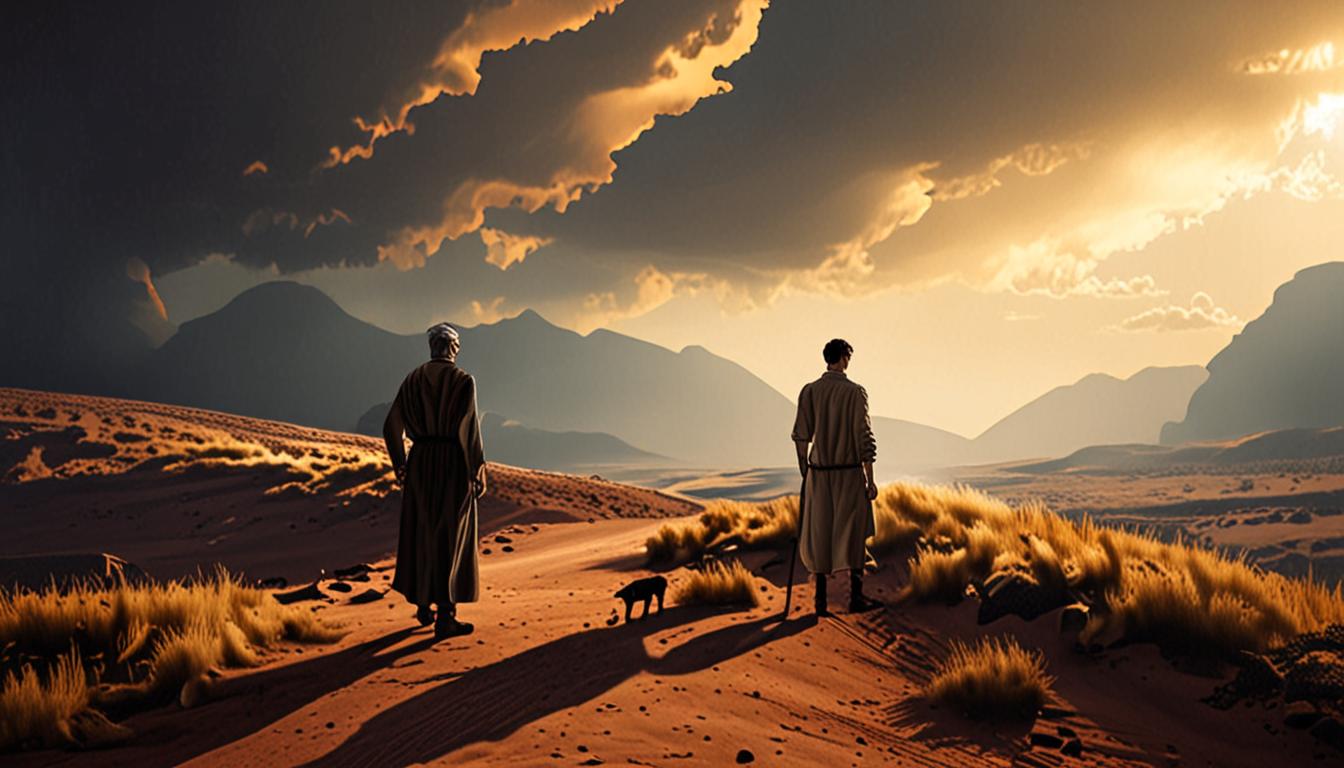
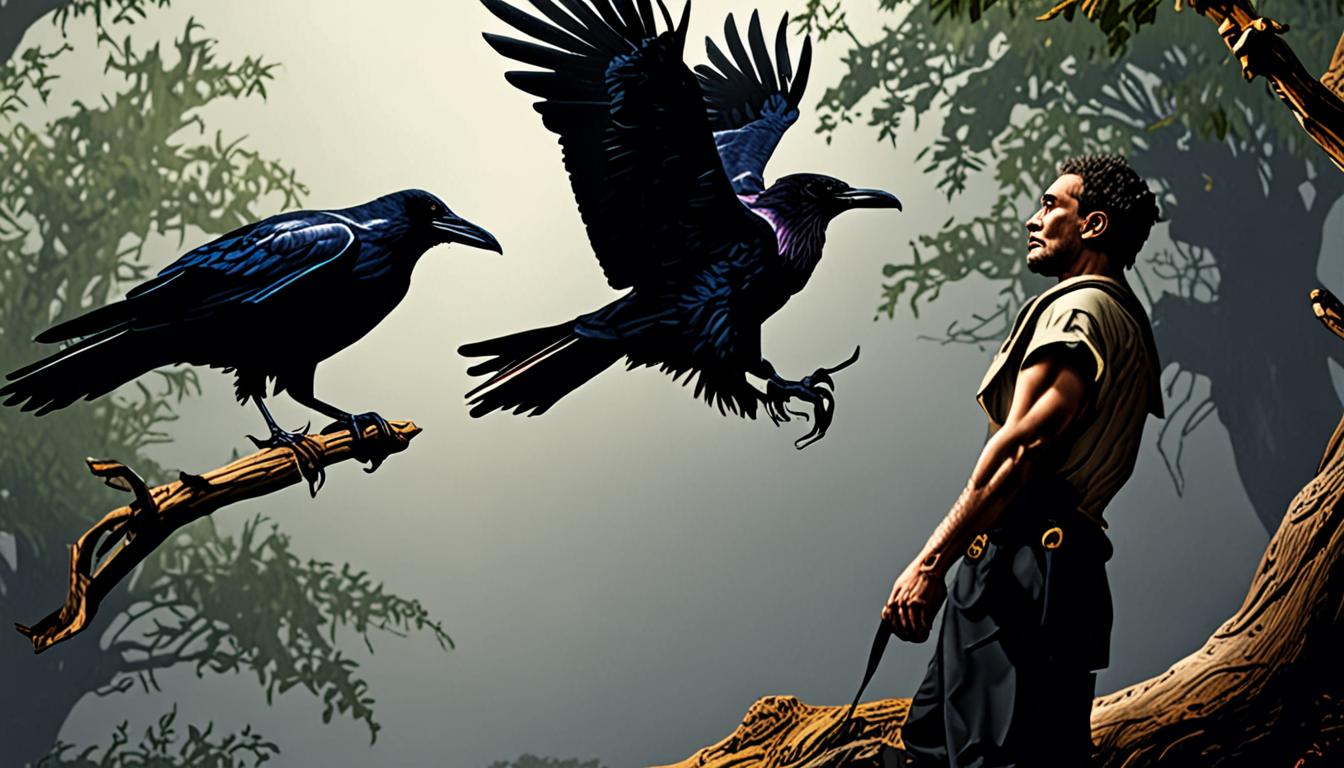
When the prophet Elijah faced a brutal famine in 1 Kings 17, he didn't receive manna from heaven or a royal invitation. Instead, God commanded him to hide by the Brook Cherith, where he would be sustained by ravens.
To an ancient Israelite, this was scandalous. Under Mosaic Law, the raven was considered unclean (Leviticus 11:15). These birds were scavengers, known for stealing food, not providing it. Why would a holy God use a creature associated with impurity to nourish His prophet?
A Lesson in Sovereignty
This miracle was not just about survival; it was a profound theological statement. By commanding the birds to bring bread and meat, God demonstrated that He is not bound by human traditions or our limited understanding of 'clean' and 'unclean.' Nature itself bows to His authority. If God can command a scavenger to behave against its natural instinct, He can sustain you in your own 'desert' season.
- God is creative: He isn't limited to the methods we expect.
- God is sovereign: He holds authority over all creation, even the 'unclean.'
- God is faithful: He ensures His servants are provided for, even when the world seems to have run dry.
As noted by Bible Study Tools, this event foreshadows how God often works through the most unlikely circumstances to fulfill His purposes. When you feel abandoned in your own drought, remember the ravens. Your provision may come from a source you’ve overlooked or dismissed, but it is sent by the One who sustains all things.